

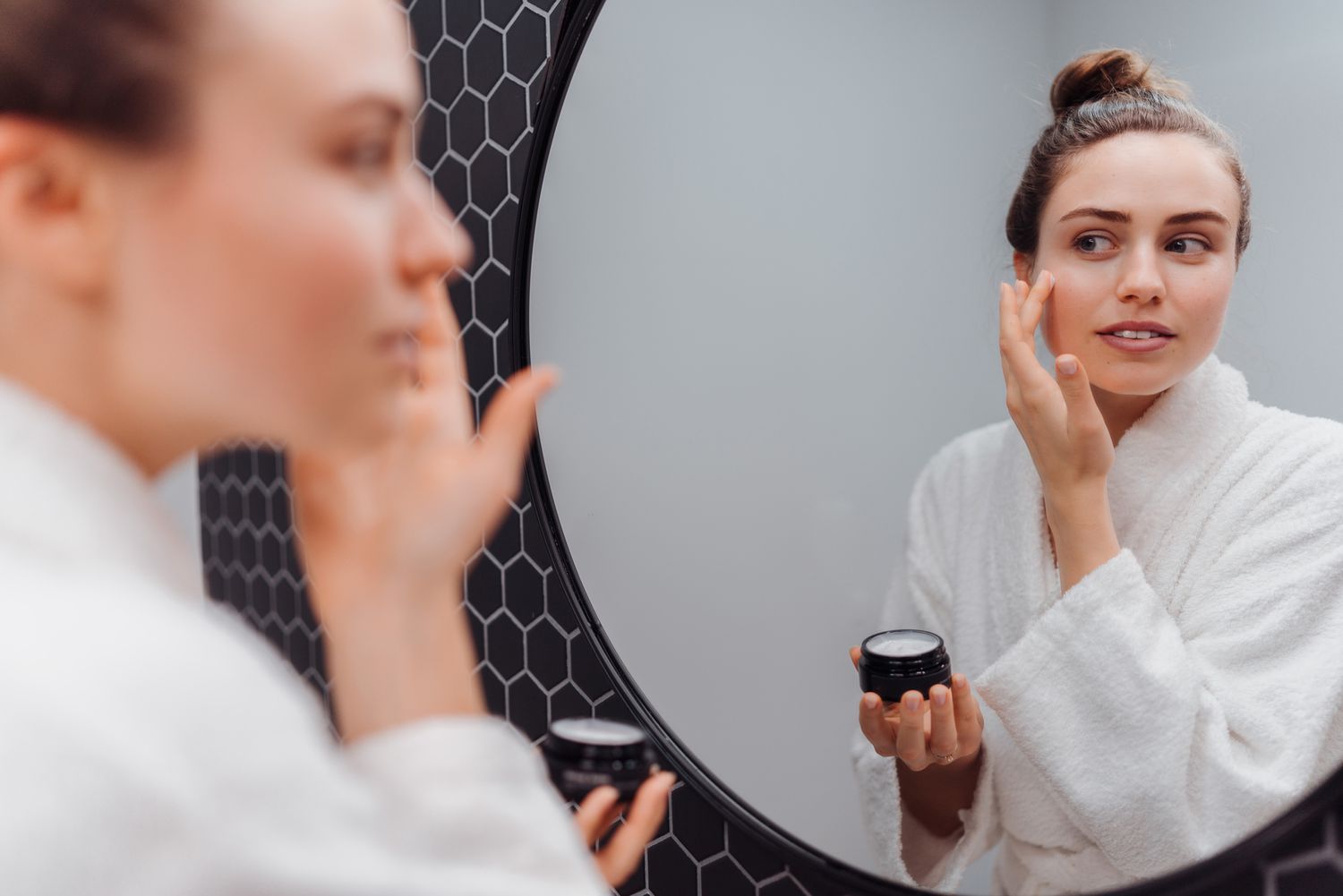
Innovative clinical methods improving management of chronic skin conditions gently continue reshaping long-standing care expectations.Persistent surface challenges require thoughtful handling rather than forceful correction approaches.Advancement now emphasizes gradual improvement through controlled, supportive techniques.Daily stability matters more than rapid visible change for long-standing conditions.Guided understanding encourages steady trust during extended care journeys.Many readers choose to visit site resources early to learn about gentle progress-focused solutions.
Gentle science guiding modern skin support
Current approaches focus on calming responses instead of aggressive disruption.Measured systems reduce flare intensity while supporting natural recovery rhythms.Progress builds through repeated balance rather than sudden transformation.Consistency improves comfort across extended care periods.
Precision-driven monitoring supporting steady outcomes
Close observation allows refined adjustments during long-term management.
- Small changes guide direction without overwhelming sensitive surfaces.
- Targeted observation tracks subtle shifts before discomfort becomes noticeable
- Controlled application limits irritation while maintaining surface protection
- Timed sessions prevent overexposure during repeated care cycles
- Balanced formulations support tolerance during extended usage phases
- Feedback-based changes refine routines through observed response patterns
- Gentle pacing improves adherence during long-duration treatment plans
- Layered support reduces cumulative stress on affected areas
- Clear scheduling supports predictability during ongoing condition management
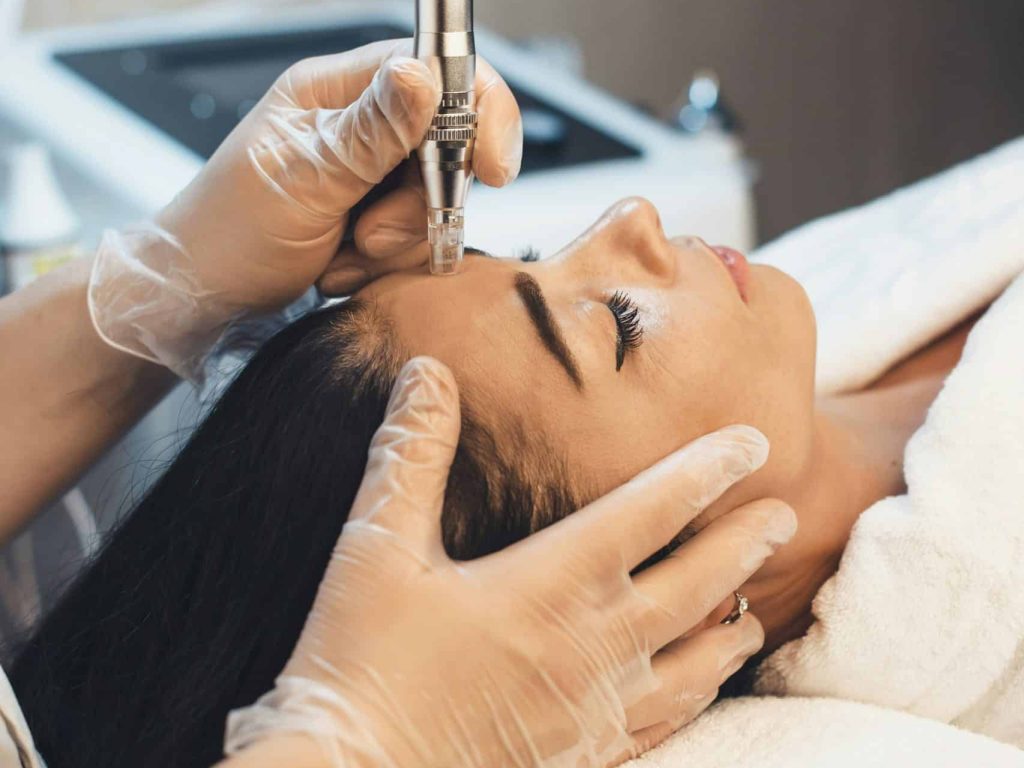
Adaptive planning improves response consistency.
Management improves when routines adapt gradually to condition signals.Flexible planning avoids sudden shifts that trigger surface instability.Care remains aligned through observation rather than assumption.Steady review supports predictable improvement paths.
How gentle methods improve chronic condition management?
Gentle techniques reduce stress on already sensitive areas.Lower intensity approaches encourage cooperation over resistance.Gradual care builds tolerance through repeated exposure without overload.Progress becomes sustainable through comfort-driven adherence.Over time, stability improves because surfaces remain supported rather than challenged.
Education-based understanding strengthens routine confidence
Clear explanation supports acceptance during extended care timelines.Awareness reduces frustration caused by slow visible change.Understanding strengthens commitment to steady routines.
Long-term care alignment through guided systems
Alignment improves when expectations match realistic outcomes.Guided frameworks support consistency through structured pacing.Many individuals visit site guidance midway through routines for reassurance.Clarity reduces unnecessary routine abandonment during slow phases.
Comparative approach overview for gentle care
Different methods support comfort through varied focus areas.Comparison helps align choice with sensitivity needs.
| Care focus | Primary benefit | Support outcome |
| Low intensity routines | Reduced irritation | Improved tolerance |
| Scheduled monitoring | Early adjustment | Fewer flare events |
| Gradual pacing | Better adherence | Stable progression |
| Supportive formulations | Surface comfort | Long term balance |
This view encourages informed routine selection.Long-term comfort depends on proper method alignment.Understanding method differences supports confidence in gentle selection.This approach prevents unnecessary escalation during management cycles.
FAQ on gentle chronic skin management
- Do gentle methods require longer timelines? Yes, gradual progress supports lasting stability.
- Are flare episodes reduced over time? Yes, controlled care limits trigger intensity.
- Does consistency matter more than intensity? Yes, steady routines improve outcomes.
- Can sensitive skin adapt to long-term care? Yes, tolerance builds gradually.
- Should routines change often? No measured adjustments protect surface balance.
Continued progress through thoughtful care
Steady improvement depends on patience and structured guidance.Comfort-focused routines encourage long-term adherence.Innovative clinical methods improving management of chronic skin conditions gently prioritize balance over speed.Care becomes sustainable through calm adjustment rather than pressure.Lasting stability develops when gentle systems guide every step forward.