

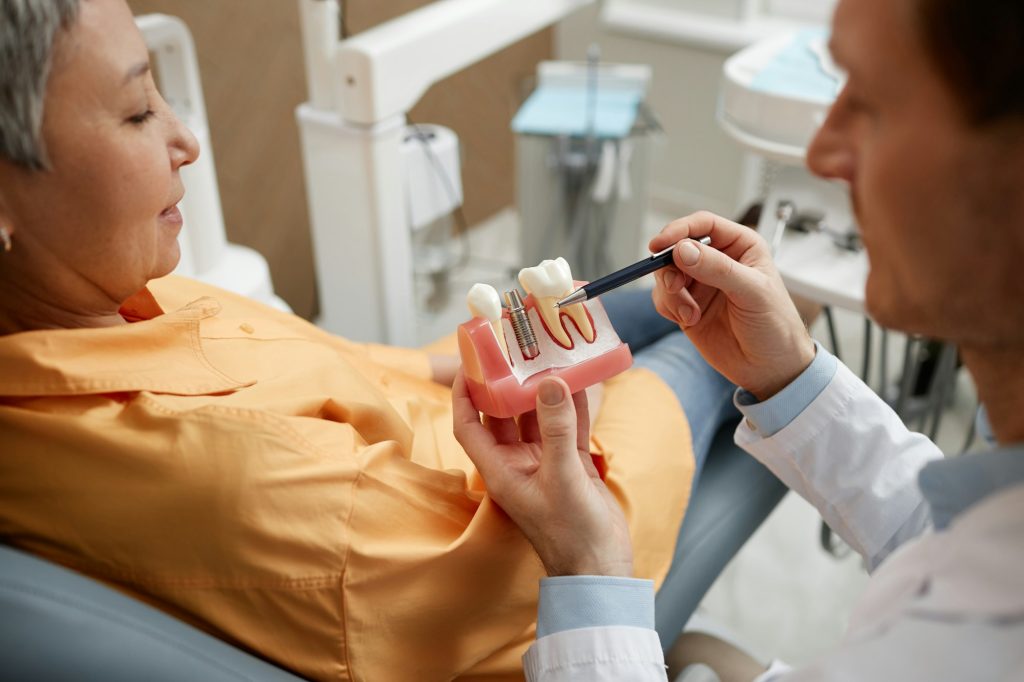
The Digital Revolution Transforming Dental Practices
The landscape of dental care has undergone a remarkable transformation in recent years, with cutting-edge technology reshaping how practitioners, including a dentist Pinner, approach oral health. From artificial intelligence-powered diagnostics to 3D printing of dental prosthetics, the integration of digital innovation has created unprecedented opportunities for both dental professionals and patients across the United Kingdom.
Modern dental practices are embracing sophisticated tools that enhance precision, reduce treatment times, and improve patient comfort. Digital X-rays now provide instant, high-resolution images with significantly reduced radiation exposure, whilst intraoral cameras allow patients to witness their oral health status in real-time. These advancements have fundamentally altered the patient experience, making dental visits more informative and less intimidating.
Advanced Diagnostic Capabilities
Contemporary dental technology has revolutionised diagnostic procedures, enabling practitioners to identify potential issues before they develop into serious complications. Cone beam computed tomography (CBCT) scanners provide three-dimensional images of teeth, soft tissues, nerve pathways, and bone structure, offering unparalleled insight into oral health conditions.
Laser technology has also emerged as a game-changing tool in modern dentistry. These precise instruments can detect early-stage tooth decay, perform soft tissue procedures with minimal discomfort, and accelerate healing processes. The integration of such technology ensures that patients receive more accurate diagnoses and targeted treatments tailored to their specific needs.
Artificial Intelligence in Dental Care
Machine learning algorithms are increasingly being employed to analyse dental imagery and identify patterns that might escape human observation. These systems can detect cavities, gum disease, and other oral health issues with remarkable accuracy, supporting dental professionals in making more informed treatment decisions. The future of dentistry and oral health technology promises even more sophisticated AI applications that will further enhance diagnostic capabilities.
Patient-Centred Technology Solutions
Technology has significantly improved the patient experience in dental practices throughout the country. Digital impression systems have largely replaced uncomfortable traditional moulds, using optical scanners to create precise digital models of patients’ teeth. This advancement not only enhances comfort but also improves the accuracy of crowns, bridges, and other dental restorations.
Whether visiting a dentist in the UK, patients can now benefit from these technological innovations that make dental procedures more efficient and comfortable than ever before.
Teledentistry and Remote Consultations
The emergence of teledentistry has created new avenues for dental care delivery, particularly beneficial for patients in remote areas or those with mobility constraints. Virtual consultations enable dental professionals to conduct preliminary assessments, provide oral health education, and monitor post-treatment recovery without requiring physical visits. This approach has proven invaluable during challenging circumstances whilst maintaining continuity of care.
Remote monitoring systems allow practitioners to track patients’ progress following procedures, ensuring optimal healing and early intervention if complications arise. These digital solutions complement traditional face-to-face appointments, creating a comprehensive care model that prioritises patient convenience without compromising clinical standards.
Minimally Invasive Treatment Options
Modern dental technology has facilitated the development of minimally invasive treatment approaches that preserve natural tooth structure whilst achieving excellent clinical outcomes. Laser dentistry enables the precise removal of decayed tissue without affecting healthy areas, reducing the need for extensive drilling and anaesthesia in many cases.
Digital technology revolutionising dental care techniques has made procedures more predictable and less traumatic for patients. Air abrasion systems can remove small cavities without traditional drilling, whilst ozone therapy offers antimicrobial treatment options that support natural healing processes.
3D Printing and Same-Day Solutions
Three-dimensional printing technology has transformed dental laboratories and chairside procedures alike. Dental practices can now produce crowns, bridges, and even partial dentures within hours rather than weeks. This capability significantly reduces treatment times and eliminates the inconvenience of temporary restorations for many patients.
CAD/CAM systems enable the precise design and manufacture of dental restorations using digital impressions, ensuring optimal fit and aesthetics. Advanced dental technology solutions continue to expand the possibilities for same-day treatments across various dental specialities.
Looking Towards the Future
The integration of technology in dental care represents a paradigm shift that benefits both practitioners and patients throughout the United Kingdom. As artificial intelligence becomes more sophisticated and new materials are developed, the potential for even more precise, comfortable, and effective treatments continues to grow. The balance between technological advancement and personalised care ensures that modern dentistry remains both innovative and human-centred, promising a brighter future for oral health across all communities.